
ARR Failure Modes We See Most Often
TL;DR: ARR projects usually fail when multiple weak assumptions compound under review, not because of a single calculation. The most common triggers are baseline inflation, additionality dilution, undercapitalized buffers, fragile planting designs, weak FPIC, and untested leakage. Catching these early avoids late write-downs and procurement delays.
Author: Benjamin Bishop - Sorus Consulting
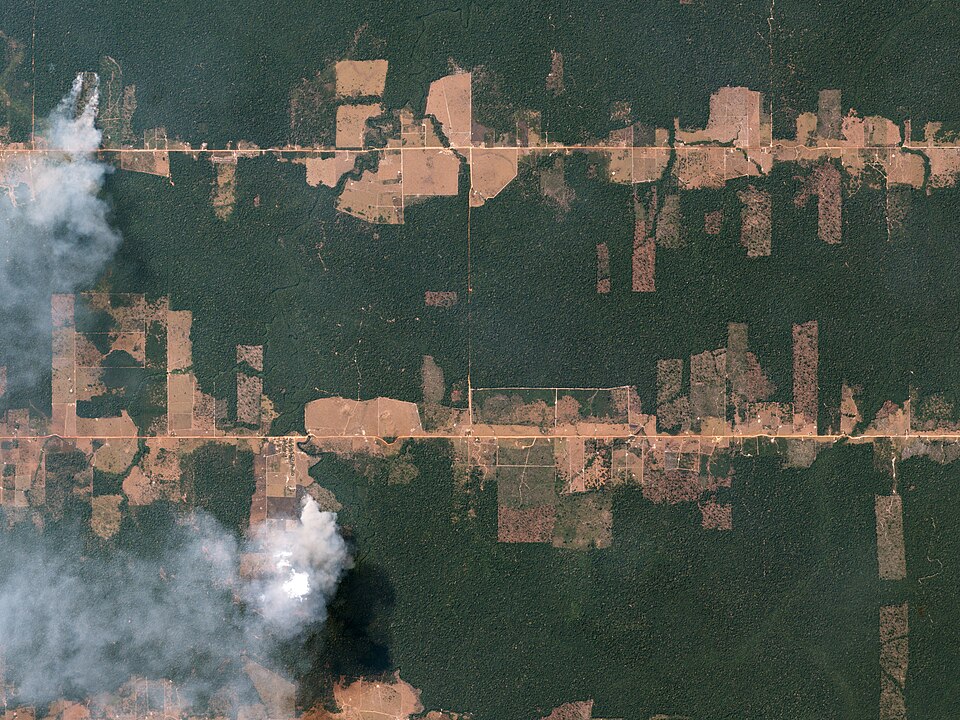
Most ARR projects do not fail because of one calculation. They fail because multiple weak assumptions compound under review. These are the failure modes we see most often in due diligence, validation, and procurement screening.
Failure modes that trigger rejection or write-downs
- Baseline inflation - baselines assume land-use decline or degradation that is not supported by evidence.
- Additionality dilution - project outcomes are not clearly differentiated from business-as-usual trajectories.
- Buffer undercapitalization - reversal risk is higher than buffer allocations, especially in fire and drought-prone regions.
- Monoculture or species risk - planting designs that create ecological fragility and lower long-term resilience.
- FPIC treated as paperwork - consent is documented but not demonstrated as an ongoing process.
- Leakage assumptions not tested spatially - displacement risks are asserted without spatial evidence.
Why this matters now
Ratings agencies and buyers are increasingly discounting projects that show these signals, even when registry documentation appears complete. Catching them early prevents late-stage rework, pricing cuts, or outright rejection.