
For developers
We identify the technical weaknesses most likely to slow validation, undermine diligence, or weaken financing discussions, then show what needs to be fixed.

We help carbon project developers get projects ready for diligence, validation, and financing. We help investors and buyers evaluate whether a project's baseline, additionality, MRV plan, and delivery assumptions are credible before they commit capital or make claims against future credits.
We identify the technical weaknesses most likely to slow validation, undermine diligence, or weaken financing discussions, then show what needs to be fixed.
We pressure-test project claims so you can see where issuance risk, MRV weakness, or unrealistic assumptions could affect quality, timing, or expected returns.
Methodology fit, baseline realism, additionality, permanence, leakage, MRV design, geospatial evidence, and carbon accounting logic.
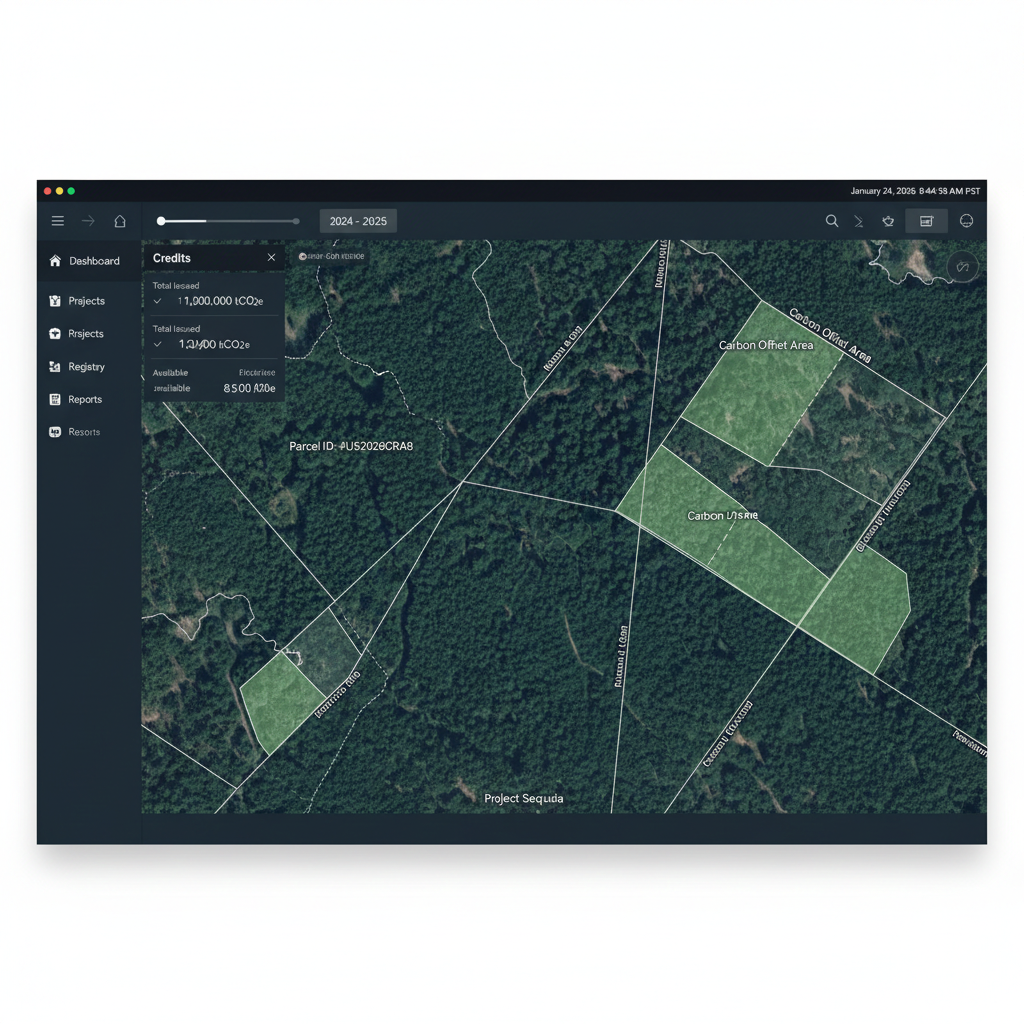
We review activity areas, land-use history, boundary integrity, control logic, and exposure to disturbance to see whether the project file matches what is visible on the landscape.
This usually includes boundary QA, land-cover interpretation, leakage pathway review, and overlays for drought, fire, pests, or other delivery risks. For developers, it helps catch problems before submission. For investors and buyers, it shows whether key claims are actually supported.
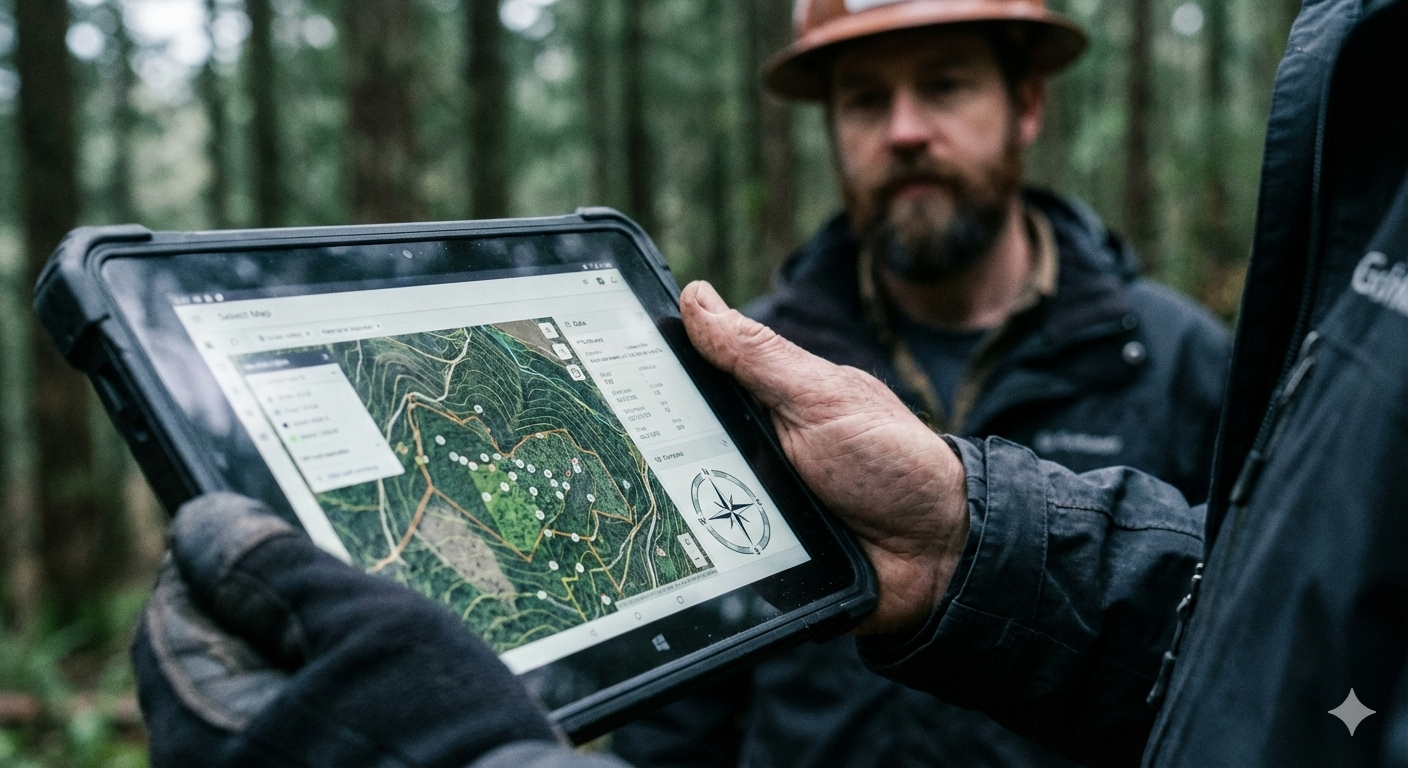
We review whether field data, inventory design, assumptions, and QA/QC procedures are auditable, repeatable, and proportionate to the claims being made. That matters for registry validation, investor diligence, and credit procurement.
In practice, this means looking at sampling design, data lineage, uncertainty treatment, and whether the monitoring plan can survive future verification cycles rather than merely clear the first review.
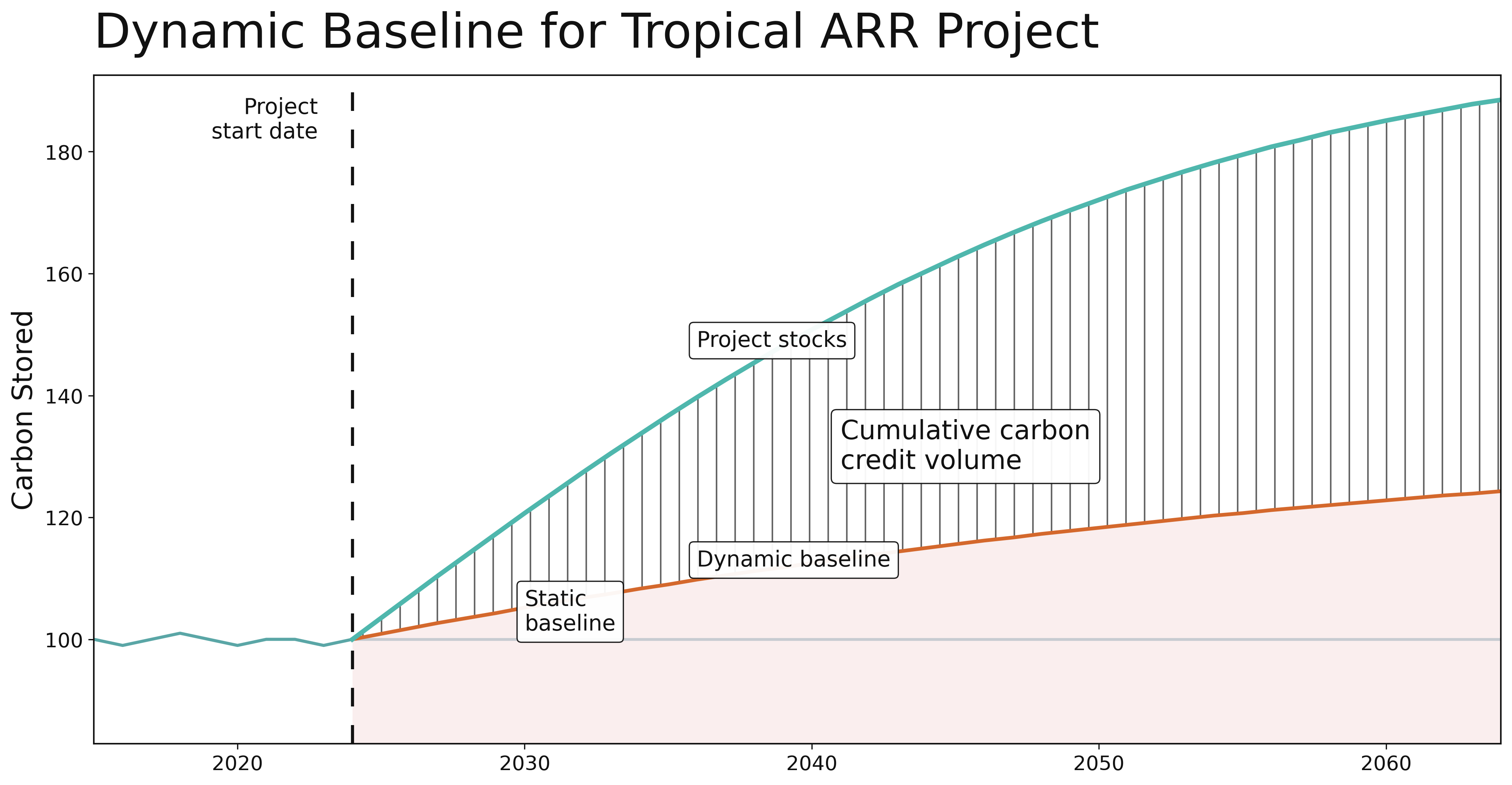
We stress-test growth, survival, baseline, additionality, and crediting assumptions so teams can see which variables actually drive project quality, issuance risk, and expected returns. The aim is conservative, decision-grade analysis rather than optimistic model output.
This is often where projects break down: projections look clean on paper, but the underlying assumptions are too sensitive, too weakly evidenced, or not aligned with methodology rules. We isolate those assumptions and show where remediation matters.
Independent review for funds, buyers, or internal investment teams before capital is committed.
Evidence package, methodology-fit, and MRV review before validation or major diligence rounds.
Technical pressure-test of whether claimed climate outcomes are actually supported by the project file.
A narrower review when a team needs clarity on one issue such as baseline realism, leakage, or MRV precision risk.