
ARR Due Diligence Checklist
TL;DR: This checklist covers the evidence, assumptions, and delivery risks that determine whether an ARR project is truly investable. Use it to stress-test baseline logic, additionality, MRV readiness, durability, and leakage before capital or contracts are committed. The outcome should be a clear risk register and contract-ready protections.
Author: Benjamin Bishop - Sorus Consulting
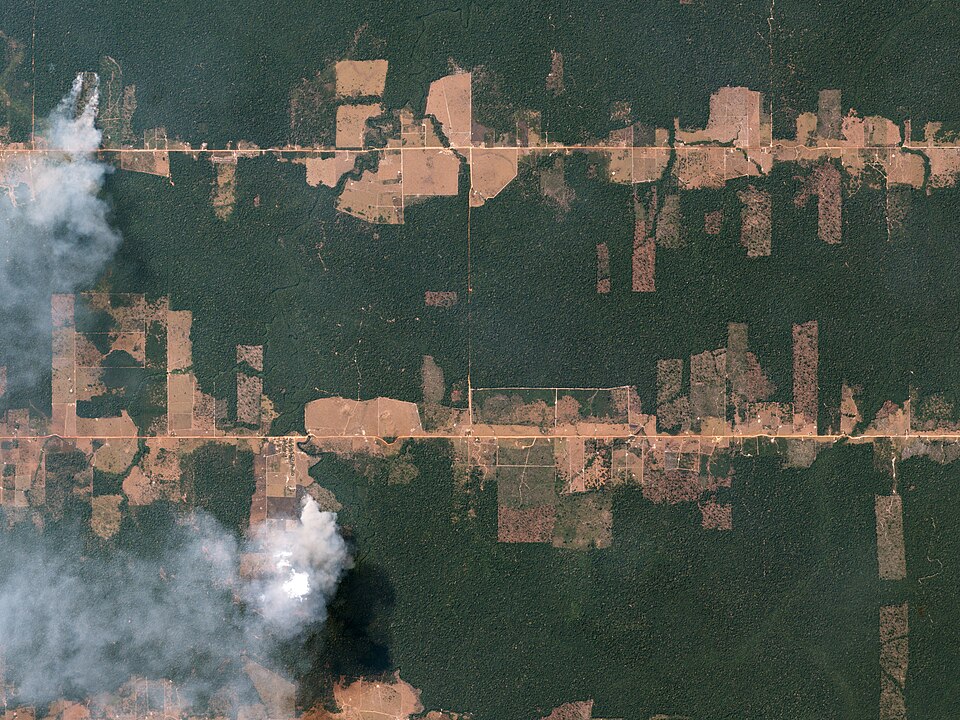
Afforestation, reforestation, and revegetation (ARR) projects are long-horizon claims. A due diligence checklist brings structure to the decision by testing whether the core assumptions will hold through validation, verification, and delivery.
This checklist is designed for buyers, investors, and developers who need a repeatable way to identify weak evidence early and translate technical risk into decision and contracting actions.
What is an ARR due diligence checklist?
An ARR due diligence checklist is a structured set of evidence tests that verifies whether an ARR project can credibly deliver removals over time.
It should answer three questions: what is being claimed, how those claims are supported, and what protects the buyer if the project under-delivers.
Decision context and claims
Define the decision, timeline, and claims before reviewing evidence.
- Define the purchase structure (spot vs. forward offtake) and decision timeline.
- Document intended claims (internal, public, investor-facing) to set the evidence bar.
- Confirm registry, methodology, crediting period, and approach assumptions.
Data room and boundary evidence
Collect the core evidence needed to validate claims.
- Project description, boundaries, and stratification files.
- Land-use history and baseline justification with supporting data.
- Planting design, species plan, and maintenance or replanting protocols.
- Monitoring reports, inventory methods, and plot data (if any).
- Safeguards documentation and stakeholder engagement evidence.
Baseline and additionality
Confirm claims are credible under the methodology and economic reality.
- Baseline scenario reflects plausible land-use economics, incentives, and enforcement.
- Additionality logic aligns with methodology requirements and evidence.
- Sensitivity tests show how outcomes shift under alternative assumptions.
Establishment and performance risk
Assess whether the forest can be planted, maintained, and sustained over time.
- Species and stocking plans fit soils, climate, and operational capacity.
- Maintenance, replanting, and stewardship budgets are funded and documented.
- Long-term threats over 10-30+ years have clear controls and contingency plans.
MRV readiness
Verify that monitoring can be audited and reproduced over time.
- Inventory design and sampling meet precision requirements and are auditable.
- Data lineage is documented from raw measurements to final calculations.
- QA/QC procedures and version control are clear and repeatable.
Durability and reversal risk
Link reversal risk to credible mitigation and buyer protections.
- Disturbance risks (fire, drought, pests) are quantified with mitigation plans.
- Governance and long-term land control are documented and enforceable.
- Buffer assumptions and reversal handling align with contract terms.
Leakage and safeguards
Ensure displacement and social risks are identified and addressed.
- Leakage pathways are identified and conservatively treated.
- Community and biodiversity claims are monitorable, not narrative.
- Known social or ecological risks have explicit mitigation plans.
Contracting and monitoring protections
Translate technical risk into enforceable terms.
- Define delivery expectations, vintages, and replacement obligations.
- Set under-delivery remedies, cure periods, and escalation triggers.
- Require monitoring cadence, data reporting, and re-review triggers.
Common ARR due diligence mistakes
- Relying on registry listing as a substitute for evidence review.
- Accepting baseline narratives without economic or policy stress-tests.
- Underestimating MRV complexity and resourcing.
- Using generic safeguards language without a monitoring plan.
When should you use independent diligence?
Use independent diligence when a purchase, investment, or partnership must withstand scrutiny and long-term delivery risk.